
Sam Basso, known as Sam The Dog Trainer, is a professional dog trainer and behaviorist serving Phoenix, Scottsdale, Mesa, Tempe, Chandler, Glendale, Gilbert, Paradise Valley, and surrounding areas. Some posts use AI-assisted drafting for clarity. This blog participates in affiliate programs (including Amazon Associates). Purchases via links may earn me a small commission at no extra cost to you.
Sunday, December 28, 2025
Dog Behavior Triggers: Understanding Your Dog
Learn why dogs have sudden behavior changes and get practical tips for home, public outings, and training to keep your pet calm and happy. Based on expert insights... (MORE)


Can Parasite Preventatives Contribute to Sudden Behavioral Changes in Dogs? Neurologic Insights
Discover potential links between isoxazoline parasite preventatives and sudden behavioral changes in dogs, including neurologic insights and ethological assessment tips... (MORE)
Dogs Kids Adults and Guests
How modern dog behavior research explains safe, calm living with dogs, children, adults, and guests—without myths... (MORE)
Friday, December 26, 2025
Ethological Perspectives on Social Behaviors Supporting Dog Immune Health
Explore how social behaviors in cohabiting dogs, like microbiome sharing and allogrooming, may support immune health through ethological lenses and practical training insights... (MORE)
Living in Harmony: Strategies for Dog Owners to Coexist with Wildlife
Ethological strategies for dog owners to safely navigate wildlife encounters in yards, hikes, and vacations, addressing both canine prey drive and wildlife threats... (MORE)
The Benefits and Limits of Exclusive Force-Free (R+) Methodologies in Applied Canine Behavior
Explore the benefits and limits of force-free dog training, instinctual drift, breed traits, and why R+ alone may fail in real-world scenarios... (MORE)
Thursday, December 25, 2025
MERRY CHRISTMAS!
At the end of A Christmas Carol, the farewell Tiny Tim says is his famous blessing, "God bless us, every one!", which concludes the entire story as a powerful message of hope, redemption, and goodwill for all people, symbolizing Scrooge's transformation.
All the same to you: I couldn't have said it better!
Behavioral Implications of Spinal Issues in Short-Legged Dog Breeds
A Conceptual Overview: Abstract
Spinal issues, particularly intervertebral disc disease (IVDD), are prevalent in certain dog breeds and can lead to significant behavioral changes due to pain and mobility limitations. This conceptual article examines the propensity and progression of IVDD in top at-risk breeds, associated behavioral shifts, life stages for evaluation, observable signs, and typical costs of management. Drawing from ethological and behavioral science principles, it highlights how pain alters instinctual responses without making clinical claims. Owners are encouraged to seek professional consultation for complex cases involving health or behavioral challenges (e.g., for structured needs analysis, see Behavioral Assessment on SamTheDogTrainer.com).
Introduction
In canine ethology, pain from physical conditions can profoundly influence behavior, disrupting natural instincts such as exploration, social interaction, and self-preservation (Miklósi, 2014). Spinal issues like IVDD represent a key example, where disc degeneration leads to nerve compression, potentially shifting a dog's demeanor from playful to defensive or withdrawn. This article conceptually explores IVDD's impact on behavior in predisposed breeds, emphasizing high-confidence insights from recent veterinary literature (2015–2025). It aligns with operant conditioning principles, where pain acts as a punisher, reducing certain behaviors (Skinner, 1953), and underscores the need for owner awareness without overgeneralization. For related behavioral frameworks, refer to Owner Implementation Plans on PoochMaster.blogspot.com.
Propensity and Progression of Spinal Issues in Top Breeds
IVDD is the most common spinal cord disease in dogs, driven by genetic factors like the FGF4 retrogene, leading to early disc calcification in chondrodystrophic breeds (characterized by short legs and long backs) (Wee et al., 2025; Gómez Álvarez et al., 2025). Propensity is 5–20 times higher than in average dogs (lifetime risk ~2–3%), with progression often acute in young to middle-aged individuals (Fenn et al., 2020).The top 10 AKC-recognized breeds prone to IVDD, based on prevalence and odds ratios, include:
- Dachshund – Highest prevalence (15–25%), acute Type I IVDD (Wee et al., 2025).
- French Bulldog – Odds ratio 21.1 times baseline; brachycephalic structure exacerbates strain (Wee et al., 2025).
- Basset Hound – Classic chondrodystrophic; mid-back issues common (Alpha Paw, 2022).
- Beagle – Moderate-high risk; smaller size but frequent disc extrusion (Walkin' Pets, n.d.-a).
- Shih Tzu – Elevated calcification; early degeneration (Advanced Animal Chiropractic, 2017).
- Lhasa Apso – Similar to Shih Tzu; genetic predisposition (Advanced Animal Chiropractic, 2017).
- Pekingese – High risk from dwarfism; neck and back affected (Alpha Paw, 2022).
- Pembroke Welsh Corgi – Long back; odds ~2.8 times baseline (Cornell University College of Veterinary Medicine, 2024).
- Cocker Spaniel – Neck-focused IVDD; chondrodystrophic traits (Alpha Paw, 2022).
- Cardigan Welsh Corgi – Slightly lower than Pembrokes but elevated (Walkin' Pets, n.d.-a).
Progression in these breeds mirrors ethological stress responses: early silent degeneration (by 1 year), leading to acute episodes (3–7 years) with rapid escalation from pain to myelopathy (Gómez Álvarez et al., 2025). Unlike average dogs (slower Type II in seniors), these involve sudden behavioral disruptions due to pain avoidance (Miklósi, 2014).
Behavioral Changes Resulting from Spinal Issues
Pain from IVDD can trigger ethologically rooted changes, such as protective aggression or reduced social engagement, aligning with Tinbergen's (1951) concepts of instinctual conflict under stress. Common shifts include:
- Irritability or defensive responses (e.g., snapping when touched) due to discomfort (Walkin' Pets, n.d.-b; K9 Carts, 2025).
- Withdrawal or reduced activity, reflecting pain-induced avoidance (Perfectly Polite Dachshunds, 2024; Remedy Veterinary Specialists, n.d.-a).
- Vocalization or restlessness, as pain overrides normal resting behaviors (Georgia Veterinary Associates, n.d.; My Pet Nutritionist, 2025).
- House soiling from mobility limitations, not intentional but secondary to physical constraints (Crescenta Cañada Pet Hospital, n.d.).
These align with operant principles: pain punishes movement, leading to learned helplessness if chronic (Skinner, 1953). For management ideas, see Enrichment Recommendations on SamTheDogTrainer.com.
Stages of Life for Evaluation
Ethological observations suggest monitoring at key developmental stages to catch instinctual shifts early (Lorenz, 1952). In prone breeds:
- Puppyhood (0–1 year): Baseline for genetic risks; silent degeneration may begin (Cornell University College of Veterinary Medicine, 2024).
- Young Adult (1–3 years): Annual checks; subtle behavioral changes possible post-activity (Fitzpatrick Referrals, n.d.).
- Middle Age (3–7 years): Peak for acute episodes; evaluate after incidents (Physio-pedia, 2021).
- Senior (7+ years): Biannual; chronic progression in non-chondrodystrophic overlaps (PetMD, 2025).
Regular assessments prevent escalation, per behavioral readiness profiles.
Signs to Observe
Conceptual signs blend mobility and ethological cues:
- Reluctance to move/jump or hunched posture (K9 Carts, 2025; Walkin' Pets, n.d.-b).
- Yelping/whining on touch or movement (Homestead Animal Hospital, 2025).
- Limping, weakness, or dragging limbs (Grand Strand Veterinary Specialists, 2025).
- Reduced appetite/activity from discomfort (Peaceful Veterinary Care, 2025).
These indicate pain altering natural behaviors; escalate to a vet promptly.
Progressive Typical Costs
Costs escalate conceptually with severity, based on U.S. averages (no insurance assumes full out-of-pocket; insurance post-deductible, 70–90% reimbursement, premiums ~$50–$85/month) (Pawlicy Advisor, 2025; PetMD, 2025).
Without Pet Insurance:
- Early/Mild: $500–$2,000 (diagnostics + management).
- Moderate: $2,000–$5,000 (imaging + care).
- Advanced/Surgical: $4,000–$8,000 (up to $15,000 for emergencies).
- Lifetime (Recurrent): $5,000–$20,000+.
With Pet Insurance:
- Early/Mild: $200–$800 out-of-pocket.
- Moderate: $500–$1,500.
- Advanced/Surgical: $1,000–$3,000.
- Lifetime: $2,000–$8,000 + premiums.
Coverage varies; IVDD is often included if not pre-existing (Fetch Pet Insurance, 2023).
Conclusion
Spinal issues like IVDD conceptually reshape canine behavior through pain-driven ethological adaptations, impacting quality of life. Early awareness in prone breeds, vigilant monitoring, and professional intervention are key. For behavioral support, explore Risk & Readiness Profiles on PoochMaster.blogspot.com. Always consult a veterinarian for tailored advice.
Disclaimer
This article is for educational purposes only and is not intended as medical, veterinary, or legal advice. The information focuses on conceptual discussions of potential behavior changes resulting from spinal issues in dogs and does not diagnose, treat, or cure any conditions. I am not a veterinarian or medical expert. For any health or behavioral concerns with your dog, consult a licensed veterinarian or behavior professional. Spinal issues can impact quality of life, and professional evaluation is essential for appropriate management.
References
Advanced Animal Chiropractic. (2017, February 20). What dog breeds are predisposed to back problems?https://advancedanimalchiropractic.com/blog/what-dog-breeds-are-predisposed-to-back-problemsAlpha Paw. (2022, February 26). Top 10 breeds exposed to IVDD: A pet parent guide. https://www.alphapaw.com/blog/top-10-breeds-exposed-to-ivdd-a-pet-parent-guide/Cornell University College of Veterinary Medicine. (2024, August). Chondrodystrophy and intervertebral disc disease (CDDY/IVDD). https://www.vet.cornell.edu/departments-centers-and-institutes/riney-canine-health-center/canine-health-information/chondrodystrophy-and-intervertebral-disc-disease-cddyivddCrescenta Cañada Pet Hospital. (n.d.). Advocating for your pet with IVDD: Tips for working with your veterinarian and care team. https://ccpet.com/advocating-for-your-pet-with-ivdd-tips-for-working-with-your-veterinarian-and-care-team/Dallas Veterinary Surgical Center. (n.d.). Intervertebral disc disease (IVDD): Facts about backs. https://www.dvsc.com/intervertebral-disc-diseaseFenn, J., Olby, N. J., & Canine Spinal Cord Injury Consortium (CANSORT-SCI). (2020). Classification of intervertebral disc disease. Frontiers in Veterinary Science, 7, Article 579025. https://doi.org/10.3389/fvets.2020.579025Fetch Pet Insurance. (2023, June 8). Does pet insurance cover IVDD?https://www.fetchpet.com/the-dig/pet-insurance-cover-ivddFitzpatrick Referrals. (n.d.). Intervertebral disc disease (IVDD). https://www.fitzpatrickreferrals.co.uk/neurology/intervertebral-disc-disease/Georgia Veterinary Associates. (n.d.). Intervertebral disc disease. https://www.mygavet.com/intervertebral-disc-diseaseGómez Álvarez, I., Verdes García, J. M., & Espino López, L. (2025). Intervertebral disc disease in dogs. Pets, 2(3), 26. https://doi.org/10.3390/pets2030026Grand Strand Veterinary Specialists. (2025, June 16). IVDD in dogs: Emergency signs & fast action steps. https://gsvs.org/blog/ivdd-dogs-emergency-signs/Homestead Animal Hospital. (2025, October 15). Intervertebral disc disease (IVDD): All about the disease and how laser therapy and stem cells support spinal healing.https://thehomesteadanimalhospital.com/intervertebral-disc-disease-ivdd-all-about-the-disease-and-how-laser-therapy-and-stem-cells-support-spinal-healing/K9 Carts. (2025, September 29). What are early signs of IVDD in dogs? First symptoms & steps. https://k9carts.com/blogs/resources/early-signs-of-ivdd-in-dogsLorenz, K. (1952). King Solomon's ring: New light on animal ways. Crowell.Miklósi, Á. (2014). Dog behaviour, evolution, and cognition (2nd ed.). Oxford University Press.Morrison, B. J. (2025, December 11). Intervertebral disk disease in dogs (IVDD) in dogs. PetMD. https://www.petmd.com/dog/conditions/neurological/c_dg_intervertebral_disc_diseaseMy Pet Nutritionist. (2025, November 29). All you need to know about IVDD. https://mypetnutritionist.com/post/all-you-need-to-know-about-ivdd/Pawlicy Advisor. (2025, April 28). How much does dog bulging disc surgery cost?https://www.pawlicy.com/blog/dog-bulging-disc-surgery-cost/Peaceful Veterinary Care. (2025, August 4). Understanding degenerative disc disease in dogs: Symptoms, treatment, and life expectancy. https://www.peacefulvetcare.com/post/understanding-degenerative-disc-disease-in-dogsPerfectly Polite Dachshunds. (2024, June 22). The behavioural aftermath of IVDD and other conditions needing confinement for recovery and how to make life easier! https://www.perfectlypolitedachshunds.com/post/the-behavioural-aftermath-of-ivdd-and-other-conditions-needing-confinement-for-recovery-and-how-to-mPetMD. (2025, November 13). How much does pet insurance cost in 2025? https://www.petmd.com/general-health/how-much-does-pet-insurance-costPhysio-pedia. (2021). Canine intervertebral disc disease. https://www.physio-pedia.com/Canine_Intervertebral_Disc_DiseaseRemedy Veterinary Specialists. (n.d.-a). Intervertebral disc disease (IVDD) in dogs and cats. https://www.remedyvets.com/ivddSkinner, B. F. (1953). Science and human behavior. Macmillan.Thompson, K., Moore, S., Tang, S., Wiet, M., & Purmessur, D. (2018). The chondrodystrophic dog: A clinically relevant intermediate-sized animal model for the study of intervertebral disc-associated spinal pain. JOR Spine, 1(1), Article e1011. https://doi.org/10.1002/jsp2.1011Under the Weather. (2025, January 23). How much does IVDD surgery for dogs cost? https://www.undertheweatherpet.com/blogs/under-the-weather/how-much-does-ivdd-surgery-for-dogs-costWalkin' Pets. (n.d.-a). Which dog breeds are most at risk for IVDD?https://walkinpets.com/blogs/blog/which-dog-breeds-are-most-at-risk-for-ivddWalkin' Pets. (n.d.-b). 5 early signs your dog has IVDD - Symptoms to watch for. https://walkinpets.com/blogs/blog/signs-your-dog-has-ivddWee, C., et al. (2025). Demographic and lifestyle characteristics impact lifetime prevalence of owner-reported intervertebral disc disease: 43,517 companion dogs in the United States. Journal of the American Veterinary Medical Association, 263(5), 1-9. https://doi.org/10.2460/javma.24.08.0553
This article incorporates AI-assisted drafting based on the BASSO METHOD framework and has been reviewed for accuracy, alignment with ethological principles, and adherence to these parameters.
Wednesday, December 24, 2025
Why Dogs 'Snap': The Real Causes of Dog Aggression (And Why Breed Blame Fails)
Every time a serious dog attack makes the news, the same phrases appear: “The dog snapped,” “There were no warning signs,” or “No one saw it coming.” These stories are frightening—and deeply misleading.
From a behavior science perspective, most dog aggression is not sudden or random. It is the predictable outcome of stress, biology, learning, and environment coming together in ways humans often fail to recognize until it’s too late.
Aggression is not a personality flaw. It is a normal behavioral system found in all social animals, including humans. It exists to create distance from threat, protect resources, stop pain, or regain control when escape isn’t possible.
Dogs rarely bite without warning. What people usually mean is that the warning signs were missed, misunderstood, or previously punished. Stress signals such as stiffening, freezing, turning away, lip licking, yawning, avoidance, and growling often precede aggression.
Stress adds fuel to aggression. Think of stress like water filling a cup—each stressor adds more, and without recovery, overflow becomes inevitable. Common stressors include confinement, lack of rest, pain, unpredictable routines, chaotic households, and social conflict.
Dogs are also biologically sensitive to “danger clues”—situations such as restraint, sudden approach, loud or emotional behavior, unpredictable movement (especially from children), pain, or lack of escape. One danger clue may be manageable; several at once often are not.
Breed is often blamed for aggression, but this focus substitutes labels for understanding. Breed does not explain why aggression occurred. It can influence outcome severity once aggression happens, due to size or physical capacity, but it does not cause stress accumulation, fear responses, or loss of inhibition.
Blaming breed allows social and management failures to go unexamined. Aggression does not arise in a vacuum—it arises in homes, routines, environments, and relationships. When those systems fail, aggression becomes more likely regardless of breed.
Real prevention focuses on knowing the triggers, stress reduction, recognizing warning signals, allowing dogs safe escape options, managing high-risk situations, and seeking professional help before escalation.
Dogs do not “snap.” Systems fail. Understanding how stress, biology, and environment interact makes aggression far more preventable.
Bibliography
Beerda, B., et al. (1998). Behavioural, saliva cortisol and heart rate responses to stress in dogs. Applied Animal Behaviour Science.
Beerda, B., et al. (2015). Chronic stress in dogs subjected to social and spatial restriction. Applied Animal Behaviour Science.
Coppinger, R., & Coppinger, L. (2001). Dogs: A startling new understanding of canine origin, behavior & evolution.
Lorenz, K. (1966). On Aggression.
Miklósi, Á. (2015). Dog behaviour, evolution, and cognition.
Tinbergen, N. (1951). The study of instinct.
Trumler, E. (1973). Your dog and you.
Winkler, G. Aggression in dogs: Theory and terminology. Rivanna K9 Services.
Tuesday, December 23, 2025
Separation Anxiety in Dogs And Puppies
Common Mistakes That Make It Worse: Separation anxiety is one of the most stressful behavior problems a dog owner can face. Dogs may bark or howl excessively, destroy doors or windows, pace endlessly, drool, injure themselves, or soil the house — all when left alone. What makes separation anxiety especially difficult is that many common responses, even when well-intended, actually intensify the problem... (MORE)
Monday, December 22, 2025
Christmas Dogs: How to Gift, Adopt, and Celebrate Safely with Your Canine Companion
Discover how to responsibly gift or adopt a dog for Christmas, with tips on preparations, safety, fun activities, puppy parties, holiday socialization, scenarios, and rules for kids and dogs. Make the holidays joyful for your canine companion (MORE)
Sunday, December 21, 2025
Why Breed Bans Fail: Addressing the Root Causes of Dog Fighting and Animal Abuse
In the realm of canine welfare and public safety, breed-specific legislation (BSL) has often been proposed as a solution to mitigate risks associated with certain dog breeds commonly linked to fighting or aggression. However, a closer examination rooted in ethological principles and behavioral science reveals that such measures overlook the fundamental drivers of these issues: human behavior, animal abuse, and criminal activity. As a professional dog trainer with decades of hands-on experience observing and addressing canine behaviors in real-world settings, I've seen firsthand how breed alone rarely determines outcomes—it's the environment, socialization, and owner responsibility that shape a dog's actions. This article explores why banning breeds doesn't address the problem, drawing on established research and practical insights to advocate for more effective, behavior-focused approaches.
The Limitations of Breed-Specific Legislation
BSL typically restricts or prohibits ownership of breeds perceived as dangerous, such as those historically associated with dog fighting. Yet, studies from recent years indicate that these laws do not significantly reduce dog bite incidents or related hospitalizations. For instance, a 2024 analysis of emergency department visits in Missouri found no reduction in dog bite injuries attributable to breed-discriminatory laws. Similarly, broader reviews conclude that BSL is ineffective, as it fails to account for individual dog behavior and owner factors.
One key reason BSL falls short is the adaptability of those involved in illegal activities. Criminals engaged in dog fighting can readily introduce or create new breeds that evade bans. Consider the Bully Kutta, a large mastiff-type dog originating from Pakistan, often used in underground fighting rings due to its size and strength.

Bully Kutta - Wikipedia
This breed, resembling an oversized pit bull terrier, has gained notoriety in regions where traditional fighting breeds are restricted. Similarly, the Guatemalan Bull Terrier (also known as the Dogo Guatemalteco), a molosser-type dog bred for guarding, has been noted in contexts where breed mixing circumvents regulations.
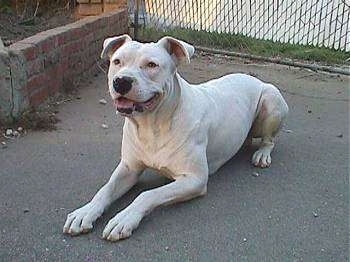
Guatemalan Bull Terrier Dog Breed Information and Pictures
The Gul Dong, another Pakistani breed historically used for hunting, guarding, and fighting, exemplifies how crossbreeding sustains these practices.
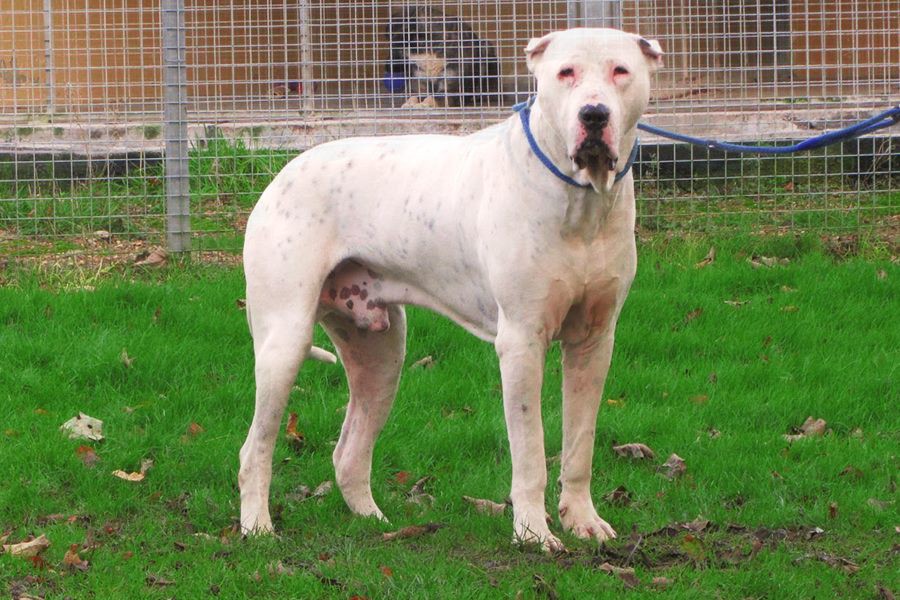
Gull Dong -- Earthpedia animal
And the Indian Bull Terrier (or Gull Terrier), prized for its gameness in some regions, further illustrates the ease of developing variants through selective breeding.

Gull Terrier Dog Breed - Facts and Information - YouTube
These examples demonstrate that banning one breed simply prompts the creation of another—such as by crossing fighting breeds or other breeds—to fill the void.
Historical precedents reinforce this point. In Italy, legislation once restricted 92 dog breeds in an effort to curb dangers, but such expansive bans were later repealed or scaled back due to their impracticality and lack of impact on underlying crimes. Despite these measures, organized dog fighting persists in various regions, underscoring that the problem lies not in the dogs themselves but in the syndicates that exploit them.
Shifting Focus to Root Causes: Animal Abuse and Criminal Enforcement
Instead of targeting breeds, effective strategies should prioritize combating animal abuse and holding irresponsible owners accountable. Dog fighting is an illegal blood sport driven by criminal networks, and addressing it requires robust enforcement of anti-cruelty laws, anti-tethering regulations, and measures against illegal breeding. Breed-neutral laws that emphasize owner education, responsible dog legislation that is fair to everyone including the dogs, and community resources have shown promise in reducing incidents without discriminating against specific dogs. For example, strengthening investigations onto organized crime and penalties for animal fighting can disrupt syndicates at their source.
This isn't to downplay the seriousness of dog-related risks—safety is paramount. However, focusing on breeds rather than what people do with them ignores the nuanced interplay of genetics, environment, and human influence (especially crime), as noted in comprehensive reviews. In practice, I've helped owners implement action pathways and enrichment recommendations that transform "problem" dogs into well-adjusted companions, proving that change comes from addressing needs, not imposing bans.
For complex cases there are always many factors to consider.
Disclaimer
This article isn’t legal or medical advice; those are not areas of expertise. It is provided for informational purposes only, based on ethological and behavioral principles.
Bibliography
- Raghavan, M., Martens, P. J., Chateau, D., & Burchill, C. (2013). Effectiveness of breed-specific legislation in decreasing the incidence of dog-bite injury hospitalisations in people in the Canadian province of Manitoba. Injury Prevention, 19(3), 177–183. https://doi.org/10.1136/injuryprev-2012-040389
- Nilson, F., Damsager, J., Lauritsen, J., & Bonander, C. (2018). The effect of breed-specific dog legislation on hospital treated dog bites in Odense, Denmark—A time series intervention study. PLoS ONE, 13(12), e0208393. https://doi.org/10.1371/journal.pone.0208393 (Note: Foundational, though pre-2015, for context on early evaluations.)
- American Veterinary Medical Association. (n.d.). Why breed-specific legislation is not the answer. Retrieved December 21, 2025, from https://www.avma.org/resources-tools/pet-owners/dog-bite-prevention/why-breed-specific-legislation-not-answer
- Watson, B. (2024). Are breed bans an effective tool in preventing dog bites? A case study. Golden Gate University Law Review Capstone Papers. Retrieved from https://digitalcommons.law.ggu.edu/cgi/viewcontent.cgi?article=1094&context=capstones
- Essig, G. F., Shearer, C. M., & Cambiano, R. L. (2024). Emergency department visits for dog bite injuries in Missouri municipalities with and without breed-specific legislation: A 20-year ecological study. Frontiers in Public Health, 12. https://doi.org/10.3389/fpubh.2024.1354698
- American Society for the Prevention of Cruelty to Animals. (n.d.). Are breed-specific laws effective? Retrieved December 21, 2025, from https://www.aspcapro.org/resource/are-breed-specific-laws-effective
- Hoffman, C. L. (2025). How changing portraits and opinions of “pit bulls” undermined breed-specific legislation in the United States. Animals, 15(14), 2083. https://doi.org/10.3390/ani15142083
- Miklósi, Á. (2014). Dog behaviour, evolution, and cognition (2nd ed.). Oxford University Press. (Foundational for ethological insights.)
- Coppinger, R., & Coppinger, L. (2001). Dogs: A startling new understanding of canine origin, behavior & evolution. Scribner. (Foundational on breed evolution.)
- Winkler, A. (n.d.). Ethological approaches to K9 training. Retrieved December 21, 2025, from https://rivannak9services.com (General reference to ethological training principles.)
- Sam the Dog Trainer. (n.d.). Understanding canine behavior. Retrieved from https://samthedogtrainer.com/understanding-canine-behavior
- Pooch Master Blog. (n.d.). Ethology in dog training. Retrieved from https://poochmaster.blogspot.com/ethology-in-dog-training
This article incorporates AI-assisted drafting based on the BASSO METHOD framework and has been reviewed for accuracy, alignment with ethological principles, and adherence to these parameters.
Limitations of Exclusive Positive Reinforcement Approaches in Dog Training
Explore the limitations of R+ positive reinforcement training dogs and discover effective multimodal approaches for better outcomes (MORE)
The Natural Habitat of the Domestic Dog (Part 2)
Coexistence, Adaptation, and Essential Roles in Human Society
The domestic dog (Canis familiaris) represents one of the most profound examples of interspecies partnership in evolutionary history, having adapted over millennia to thrive within human environments. From an ethological perspective, dogs' natural habitat is not the wild expanses of forests or plains but the diverse settings created by people—homes, farms, cities, and beyond. This adaptation stems from a deep co-evolutionary bond, where dogs have developed unique social, cognitive, and behavioral traits that align with human needs and lifestyles. As Konrad Lorenz noted in his seminal work on ethology, the domestication process involves innate mechanisms that foster attachment and mutual benefit between species. In professional training contexts, informed by decades of applied observation, this philosophy underscores that dogs function best when integrated into our world, deriving security, purpose, and fulfillment from human companionship. Excluding them from these spaces—except in genuinely hazardous situations—limits their welfare and diminishes the invaluable contributions they make to society. This article explores the domestication journey, historical and modern roles, essential needs for thriving, and the irreplaceable functions dogs serve, emphasizing how laws and spaces should accommodate their societal benefits. This is Part 2 of this series.
The Domestication of Dogs: A Foundation for Coexistence
Domestication marks the pivotal shift that transformed dogs from wild ancestors to indispensable human companions. Science says: genetic evidence indicates that dogs diverged from an extinct population of gray wolves (Canis lupus) between 15,000 and 40,000 years ago, likely in Eurasia during the Late Pleistocene. This process began not through deliberate capture but mutual attraction: less fearful wolves approached human camps for food scraps, leading to a symbiotic relationship where humans provided resources and wolves offered hunting aid and protection. Over generations, natural selection favored traits like reduced aggression, attentiveness to human cues, and sociability, resulting in the first proto-dogs around 30,000 years ago. Unlike wolves, which rely on pack hunting in wild habitats, domestic dogs evolved to depend on human provisioning and social structures. This shift is evident in archaeological findings, such as 12,000-year-old dog burials in the Americas, indicating early emotional bonds. By the Neolithic period (around 9,000 years ago), dogs assisted in herding domesticated livestock, marking their integration into agricultural societies. Today, dogs' genetic diversity—over 500 breeds—reflects ongoing adaptation to human needs, from herding in rural areas to companionship in urban apartments. This co-evolution ensures dogs are happiest in human-integrated spaces, where separation often leads to distress or failure to thrive.
Historical Integration of Dogs into Human Communities
Dogs have been woven into human societies since ancient times, serving roles that changed with our needs. In hunter-gatherer communities, dogs aided in tracking and retrieving prey, extending human range and efficiency. As agriculture emerged around 10,000 years ago, dogs transitioned to guardians of livestock and property, protecting against predators. In ancient civilizations like Egypt and Rome, dogs symbolized loyalty, appearing in art and mythology as companions to gods and hunters. During the Middle Ages, dogs diversified: hounds for hunting nobility, herders for farms, and ratters for urban pest control. The Industrial Revolution saw dogs in factories (e.g., turnspit dogs for cooking) and as urban companions. Today, in rural areas, dogs herd livestock or detect pests on farms; in urban settings, they provide emotional support in high-rises or detect allergens in offices. This enduring presence, from ancient camps to modern skyscrapers, demonstrates dogs' adaptability, even as technology advances—machines can't replicate their intuitive roles in comfort or detection.
Providing Space for Dogs to Thrive: Social, Behavioral, and Enrichment Needs
Dogs require physical and social space to express normal behaviors, fulfilling ethological needs for exploration, play, and interaction. In urban settings, lack of space can lead to stress, as dogs adapt to high-density living with reduced outlets for natural activities. Enrichment mitigates this. Rural dogs benefit from open areas for herding or running, enhancing physical health and mental stimulation. Socialization in parks or trails is essential for thriving, preventing isolation-related problems.
Dogs and Wildlife: Cooperation and Coexistence
Dogs collaborate with humans in wildlife management, detecting invasive species (e.g., snakes or plants) with 95% accuracy in some programs, aiding conservation. In New Zealand, dogs are trained to avoid kiwis, using aversion methods to protect endangered birds while performing roles like pest detection. Hunting dogs ethically manage populations, supporting biodiversity when regulated. These roles show dogs as conservation allies, not threats.
The Mistake of Excluding Dogs from Human Spaces
Excluding dogs from parks, trails, or public areas can hinder their socialization and welfare, leading to behavioral issues. Studies show parks enhance health; blanket bans ignore benefits like exercise and even promoting public safety. In urban areas, exclusion increases strays or relinquishments. Except in dangerous zones (e.g., some types of wildlife habitats, some commercial establishments, etc.), inclusion with rules promotes well-being.
Dogs as Therapy, Service, and Companion Animals
Dogs' companion roles reduce loneliness and stress, with therapy dogs aiding emotional regulation in children, students or hospital patients. Service dogs assist with disabilities (e.g., guiding blind, alerting to seizures), providing independence. Emotional support animals offer essential comfort for mental health.
Breed Development: Adaptation to Human Needs
Breeds evolved through selective breeding: ancient herders like Border Collies for livestock, hunters like Beagles for scent work. Modern breeds adapt to needs like hypoallergenic companions or therapy dogs, coinciding with human lifestyles.
Dogs in Modern Technology Societies: From Farms to Skyscrapers
In tech-driven societies, dogs remain integral: Rural farms use them for herding; urban skyscrapers for companionship in apartments. They adapt to drones for delivery assistance or apps for health monitoring, blending tradition with innovation.
Laws and Regulations Matching Dogs' Societal Roles
Laws should reflect dogs' benefits: Breed-neutral policies focus on behavior, reducing relinquishments. Pet-friendly housing laws increase retention; service dog protections ensure accessibility. Park rules should seek to allow dogs access whenever feasible.
The Role of Protection Dogs
From Chihuahuas alerting with barks to elite military K9s in special operations, protection dogs span roles. They detect threats, apprehend suspects, and provide security.
Commercial Uses of Dogs
Dogs excel in detection: Bed bugs (98% accuracy in commercial settings), search and rescue (locating survivors in disasters), and scent work for contraband/explosives (military/police roles). Their olfactory abilities surpass machines in many scenarios.
Conclusion: Dogs' Irreplaceable Roles in Society
Dogs are interwoven into human societies worldwide, from ancient hunters to modern detectors—roles machines can't fully replicate due to their intuition and bond. Their adaptability ensures enduring relevance; supporting them with space and laws benefits all.
Note: This is not legal or medical advice. For health-related concerns, consult a veterinarian.
Bibliography
- Ostrander, E. A., Wang, G. D., Larson, G., vonHoldt, B. M., Davis, B. W., Jagannathan, V., ... & Wayne, R. K. (2019). Dog10K: an international sequencing effort to advance studies of canine domestication, phenotypes and health. National Science Review, 6(4), 810–824. https://doi.org/10.1093/nsr/nwz049 (Domestication genetics).
- Thalmann, O., Shapiro, B., Cui, P., Schuenemann, V. J., Sawyer, S. K., Greenfield, D. L., ... & Wayne, R. K. (2013). Complete mitochondrial genomes of ancient canids suggest a European origin of domestic dogs. Science, 342(6160), 871–874. https://doi.org/10.1126/science.1243650 (Early domestication origins).
- Larson, G., Karlsson, E. K., Perri, A., Webster, M. T., Ho, S. Y., Peters, J., ... & Lindblad-Toh, K. (2012). Rethinking dog domestication by integrating genetics, archeology, and biogeography. Proceedings of the National Academy of Sciences, 109(23), 8878–8883. https://doi.org/10.1073/pnas.1203005109 (Co-evolutionary timeline).
- Miklósi, Á. (2015). Dog behaviour, evolution, and cognition (2nd ed.). Oxford University Press. (Breed adaptation to human needs).
- Coppinger, R., & Coppinger, L. (2001). Dogs: A startling new understanding of canine origin, behavior & evolution. Scribner. (Historical roles in societies).
- Serpell, J. (1995). The domestic dog: Its evolution, behaviour and interactions with people. Cambridge University Press. (Integration from ancient to modern).
- Hare, B., & Woods, V. (2013). The genius of dogs: How dogs are smarter than you think. Dutton. (Social cognition and roles).
- Bradshaw, J. (2011). Dog sense: How the new science of dog behavior can make you a better friend to your pet. Basic Books. (Enrichment needs).
- Schultheiss, P., Andrist, C. A., Rocchi, M. B. L., & Bütikofer, U. (2022). Trends in intake and outcome data from U.S. animal shelters from 2016 to 2020. Frontiers in Veterinary Science. https://doi.org/10.3389/fvets.2022.863990(Consequences of exclusion).
- Gee, N. R., & Fine, A. H. (2019). A systematic review of research on the meaning, ethics and practices of authorship of therapy dogs in educational settings. Anthrozoös, 32(4), 565–580. https://doi.org/10.1080/08927936.2019.1621532(Therapy benefits).
- McConnell, A. R., Brown, C. M., Shoda, T. M., Stayton, L. E., & Martin, C. E. (2011). Friends with benefits: On the positive consequences of pet ownership. Journal of Personality and Social Psychology, 101(6), 1239–1252. https://doi.org/10.1037/a0024506 (Companion roles).
- Rooney, N. J., Guest, C. M., Swanson, L. M., & Morant, S. V. (2016). How effective are trained dogs at alerting their owners to changes in blood glycaemic levels? Variations in performance of glycaemia alert dogs. PLoS One, 11(1), e0146964. https://doi.org/10.1371/journal.pone.0146964 (Service roles).
- SamTheDogTrainer.com. (n.d.). BASSO METHOD core documents (e.g., enrichment and roles). Retrieved from https://samthedogtrainer.com [Internal reference].
- This article incorporates AI-assisted drafting based on the BASSO METHOD framework and has been reviewed for accuracy, alignment with ethological principles, and adherence to these parameters.
Exploring Pet Overpopulation in the U.S.: Trends, Evidence on Spay/Neuter, and Contributing Factors
Pet overpopulation remains a significant welfare concern in the United States, influencing shelter dynamics, animal health, and community resources. Unmanaged population growth can lead to heightened stress responses in dogs and cats, as competition for resources triggers innate behaviors rooted in survival adaptations, such as territoriality or resource guarding.
In professional training contexts, such as those informed by real-world observations of companion animals, addressing overpopulation indirectly supports better behavioral outcomes by promoting stable, enriched environments for owned pets.
This article examines current trends, the role of spay/neuter programs, and key factors contributing to shelter intakes, drawing on evidence from recent studies to provide a balanced view. Note that this discussion is for informational purposes and is not legal or medical advice; owners are encouraged to consult qualified professionals for health-related decisions.
What Does The Data Indicate?
Recent data indicate that while the overall pet population in the U.S. continues to grow modestly, shelter intakes and euthanasia rates have shown declines over the past five years. For instance, the dog population increased from approximately 83.7 million in 2020 to around 87.3-89.7 million by 2025, reflecting an annual growth rate of about 1-2%. Cats followed a similar trajectory, rising from about 73.8 million in 2024 to 76.3 million in 2025, with growth around 3% in select periods.
Despite these increases, shelter intakes for cats and dogs dropped by 11.3% from 2019 to 2024, from roughly 6.5 million to 5.8 million animals annually, with euthanasia rates falling by about 20% to 607,000 in 2024. This downward trend in shelter metrics suggests progress in managing unwanted litters, though challenges persist in certain regions due to factors like economic barriers and access to services.
Spay/neuter programs have been linked to these positive shifts in shelter data. Research indicates that widespread sterilization efforts, particularly through low-cost clinics, correlate with reduced intakes and euthanasia. For example, a 44% drop in euthanasia rates in 2020 was associated with ongoing spay/neuter initiatives, even amid disruptions from the COVID-19 pandemic, which led to a temporary shortfall of about 2.7 million surgeries in 2020-2021. By 2025, intakes continued to decline, with a 4% reduction in the first half of the year, underscoring the potential of these programs to moderate population pressures when accessible.
Such interventions can mitigate overcrowding-related stress, aligning with Konrad Lorenz's observations on innate mechanisms that drive social behaviors in confined populations.
A More Complex Picture
Shelter dynamics reveal a complex picture, with some facilities facing overcrowding while others experience lower intakes. Overcrowding persists in many areas, leading to average stays of over 30 days for dogs and prompting emergency adoption events.
Regional transports—estimated at 200,000-800,000 animals annually—help balance these disparities, moving pets from high-intake southern states to lower-capacity northeastern ones, rather than solely addressing emptiness.
This variability underscores the need for localized strategies, as national trends mask community-specific challenges. An additional layer of complexity arises from managed intake policies, also known as appointment-based or managed admission systems, adopted by many shelters to regulate incoming animals and align with no-kill goals. These approaches prioritize scheduled surrenders to manage capacity, which can lead to reduced reported intakes and euthanasia rates, enabling more shelters to achieve no-kill status (e.g., saving 90% or more of animals).
However, critics note that such policies may redirect animals away from shelters, potentially increasing stray populations or leading to informal abandonments, as owners facing barriers (e.g., waitlists) seek alternatives.
Estimates suggest around 70 million stray dogs and cats nationwide, though precise tracking is challenging due to underreporting and regional variations. Data transparency from small, private rescue organizations is often limited, as voluntary reporting through databases like Shelter Animals Count captures primarily larger entities, potentially leaving gaps in understanding total intakes and outcomes. This could obscure fuller population insights, as unmanaged strays may not enter formal systems.
Contributing Factors
Contributing factors to shelter intakes include a mix of breeding sources and ownership patterns. Strays account for about 60% of intakes, while owner surrenders make up 29%, often due to life changes or costs rather than isolated irresponsibility. Backyard breeding contributes through unplanned litters, representing about 2.3% of dogs and 1.7% of cats entering shelters, though precise figures are limited. Commercial operations, often termed puppy mills, produce an estimated 660,000 breeding dogs annually and supply around 90% of pet store puppies, linking to about 1.2 million euthanasias yearly, though they account for only 10% of overall pet acquisitions.
These sources highlight the role of access barriers, with 88% of pets in underserved communities remaining unsterilized.
What About Fines And Regulations?
Regarding regulatory measures like fines and penalties, evidence suggests limited standalone effectiveness. Enforcement challenges often undermine their impact, with studies indicating that fines do not significantly curb breeding or intakes without complementary education or access improvements.
For example, penalties targeting breeders (e.g., $1,000 per violation in some states) show mixed results, often failing to address broader systemic issues like affordability of services. Low-cost spay/neuter access appears more promising, with 27% more owners opting for sterilization when affordable.
Do Spay Neuter Programs Work?
In conclusion, while pet overpopulation involves multifaceted trends, evidence points to spay/neuter programs as a key factor in reducing shelter burdens, complemented by education and access initiatives.
From a training perspective, stable populations support enriched environments that fulfill ethological needs, reducing stress-related behaviors. For complex cases involving welfare or population concerns, owners are encouraged to consult a veterinarian or behavior professional to explore tailored options.
Bibliography
- Dolan, E. D., Weiss, E., & Slater, M. R. (2025). The pandemic's cruel aftermath: progressive decline in spay/neuter surgeries threatens pet overpopulation. Frontiers in Veterinary Science. https://doi.org/10.3389/fvets.2025.1558235
- Dolan, E. D., Weiss, E., & Slater, M. R. (2025). The pandemic's cruel aftermath: progressive decline in spay/neuter surgeries threatens pet overpopulation. Frontiers in Veterinary Science. https://www.frontiersin.org/journals/veterinary-science/articles/10.3389/fvets.2025.1558235/full
- Weiss, E., Dolan, E. D., Garrison, L., Hong, C., & Slater, M. (2018). Characteristics of clients and animals served by high-volume, stationary, nonprofit spay-neuter clinics. Journal of the American Veterinary Medical Association, 253(6), 737–745. https://doi.org/10.2460/javma.253.6.737
- United Spay Alliance. (2025). Access to pet spay/neuter looks different post-pandemic, but it's still essential. United Spay Alliance. https://www.unitedspayalliance.org/world-spay-day-2025-press-release/
- Heaven Can Wait Animal Society. (2025). Impact report 2000-2025. Heaven Can Wait Animal Society. https://heavencanwaitlv.org/wp-content/uploads/2025/10/HCW-Impact-Report-2020-2025.pdf
- Marsh, P. (2010). Case study: Companion animal over-population programs in New Jersey, New Hampshire, and Maine and a new national model to end the killing. ASPCA Pro. https://www.aspcapro.org/sites/default/files/spay-me-capstone-2.pdf
- Hilaris Publisher. (2025). Pet overpopulation: The importance of spaying and neutering. Hilaris Publisher. https://www.hilarispublisher.com/open-access/pet-overpopulation-the-importance-of-spaying-and-neutering.pdf
- SamTheDogTrainer.com. (n.d.). BASSO METHOD core documents (e.g., A-F.pdf on opponent processes). Retrieved from https://samthedogtrainer.com [Internal reference for ethological integration].
- Shelter Animals Count. (2025). Shelter Animals Count releases 2025 mid-year report on U.S. animal shelter trends. Shelter Animals Count. https://www.shelteranimalscount.org/shelter-animals-count-releases-2025-mid-year-report-on-u-s-animal-shelter-trends/
- ASPCA. (n.d.). U.S. animal shelter statistics. ASPCA. https://www.aspca.org/helping-shelters-people-pets/us-animal-shelter-statistics
- TeachKind. (n.d.). Debate kit: Are 'no-kill' policies killing animals? TeachKind. https://www.teachkind.org/no-kill-shelter-debate-kit/
- Petful. (n.d.). The reality of no-kill shelters: Uncovering the hidden challenges. Petful. https://www.petful.com/animal-welfare/no-kill-shelters/
- Reese, L. A., et al. (2021). Inequitable flow of animals in and out of shelters. Frontiers in Veterinary Science. https://pmc.ncbi.nlm.nih.gov/articles/PMC8635993/
- Facebook Group Post. (2025). Limitations of no-kill animal shelters and the need for alternatives. Facebook. https://www.facebook.com/groups/i.am.ag/posts/1948885352345446/
- Animal Politics Substack. (2025). The no-kill illusion: Best Friends' policies fail animals & communities. Animal Politics. https://animalpolitics.substack.com/p/the-no-kill-illusion-how-best-friends
- Well-Being International Studies Repository. (2003). The no-kill controversy: Manifest and latent sources of tension. Well-Being International. https://www.wellbeingintlstudiesrepository.org/cgi/viewcontent.cgi?article=1003&context=sota_2003
- Reddit. (2025). No-kill humane societies should not be handling animal control. Reddit. https://www.reddit.com/r/AnimalShelterStories/comments/1oocffj/no_kill_humane_societies_should_not_be_handling/
- PETA. (n.d.). The deadly consequences of 'no-kill' policies. PETA. https://www.peta.org/features/deadly-consequences-no-kill-policies/
- Voice of OC. (2023). Are appointment-only policies in animal shelters across America driving up kill rates? Voice of OC. https://voiceofoc.org/2023/05/are-appointment-only-policies-in-animal-shelters-across-america-driving-up-kill-rates/
- Shelter Animals Count. (n.d.). Home. Shelter Animals Count. https://www.shelteranimalscount.org/
- Best Friends Animal Society. (n.d.). Here's what's happening in animal shelters across the U.S. Best Friends Animal Society. https://bestfriends.org/no-kill/animal-welfare-statistics
- Maddie's Fund. (n.d.). Shelter and rescue data. Maddie's Fund. https://www.maddiesfund.org/shelter-and-rescue-data.htm
- Total Vet. (2025). Animal shelter statistics: State rankings and nationwide data. Total Vet. https://total.vet/animal-shelter-statistics/
- Facebook Group Post. (2025). Pet allies shelter intake numbers decreased significantly. Facebook. https://www.facebook.com/groups/158423048033864/posts/2015862482289902/
- Hepper. (2025). How many homeless cats & dogs live in the US? 2025 statistics. Hepper. https://articles.hepper.com/how-many-homeless-cats-dogs-live-in-the-us-statistics/
- PetFoodIndustry. (2025). US animal shelter intake drops 4% in first half of 2025. PetFoodIndustry. https://www.petfoodindustry.com/pet-food-market/market-trends-and-reports/news/15752824/us-animal-shelter-intake-drops-4-in-first-half-of-2025
- Dogster. (2025). How many homeless dogs & cats are there in the U.S.? 2025 statistics. Dogster. https://www.dogster.com/statistics/homeless-dogs-cats-statistics
- PetRadar. (n.d.). US animal shelter facts and statistics 2025. PetRadar. https://www.petradar.org/en/articles/us-animal-shelter-facts-and-statistics
- Chew On This. (2025). Shelter Animals Count releases 2025 mid-year report. Chew On This. https://chewonthis.maddiesfund.org/2025/08/shelter-animals-count-releases-2025-mid-year-report/
- Facebook Group Post. (2025). 2.8 million dogs and cats entered shelters/rescues so far in 2025. Facebook. https://www.facebook.com/lsbcr/posts/shelter-animals-count-just-released-their-2025-mid-year-analysis-tracking-data-f/1174983057995273/
- Frontiers in Veterinary Science. (2022). Trends in intake and outcome data from U.S. animal shelters from 2016 to 2020. Frontiers in Veterinary Science. https://www.frontiersin.org/journals/veterinary-science/articles/10.3389/fvets.2022.863990/full
- Frontiers in Veterinary Science. (2022). Trends in intake and outcome data from U.S. animal shelters from 2016 to 2020. Frontiers in Veterinary Science. https://pmc.ncbi.nlm.nih.gov/articles/PMC9237517/
- Tableau. (2024). Shelter Animals Count brings data transparency to animal welfare. Tableau. https://www.tableau.com/blog/shelter-animals-count-data-transparency-animal-welfare
- This article incorporates AI-assisted drafting based on the BASSO METHOD framework and has been reviewed for accuracy, alignment with ethological principles, and adherence to these parameters.
Saturday, December 20, 2025
Understanding Trauma in Dogs: Key Lessons from Animal Research History
Discover easy-to-understand lessons from animal research on trauma—how it affects dogs and practical ways pet owners and trainers can help fearful or rescued dogs heal with patience and positive methods... (MORE)
UPDATED: Cesar Millan’s Approach: Insights from Ethology, Wolf Research, and Conditioning Principles
Analyze Cesar Millan's pack leader methods, calm-submissive state, and wolf analogies versus scholarly views from Mech, Lorenz, and AVSAB criticisms on dominance in dog training (MORE)
Friday, December 19, 2025
Socialization 101: Your Guide to Raising a Confident, Happy Dog in the First 6 Months
New puppy owner? Learn how to socialize your dog from birth to 6 months with expert tips on critical periods, risks, and easy steps to raise a confident pet. Prevent fear and aggression! (MORE)
Understanding Instrumental Conditioning in Your Pet Dog: Beyond Reflexes
Learn about instrumental conditioning in dogs—what it means, easy examples for pet owners, and how it differs from reflexes or instincts, with BASSO Method insights for better understanding your pup... (MORE)
Thursday, December 18, 2025
Why Working With Your Dog’s Natural Instincts Leads to Better Results
Learn why tapping into a dog's innate drives and ethological principles creates more reliable and humane training than overly mechanical methods... (MORE)
Wednesday, December 17, 2025
The Importance of Precise Terminology in Dog Behavior and Training
Explore why precise dog training terminology matters for owners, trainers, and professionals. Learn key categories from ethology and behavioral science to enhance communication, reduce misunderstandings, and support effective, humane canine care... (MORE)
Guidelines for Dog Kenneling: Home, Shelter, Foster, Multi-Dog, and Commercial Environments
Explore dog kenneling guidelines for home, shelter, and foster care to enhance dog welfare and minimize stress... (MORE)
SHELTER VOLUNTEERS: Transforming Dog Rescue Through Effective Management
Explore dog rescue volunteer management best practices to enhance organizational capacity and promote successful rehoming... (MORE)
Dog Barking: Neighbors and Coexistence Tips
How should you deal with an annoying neighborhood barking dog? Explore ethological roots of dog barking and howling, root causes like separation distress, and kind approaches for owners and neighbors to resolve issues harmoniously and prevent escalation... (MORE)
Common Situations Leading to Dog Aggression
Explore common real-world situations where dog aggression may arise, based on ethological patterns and scholarly insights. Informative guide for dog owners, trainers, and animal professionals... (MORE)
Tuesday, December 16, 2025
The Hidden Dangers of Unqualified Online Dog Training Advice
Hey there, fellow dog lovers—have you ever scrolled through social media and come across a video or post where someone confidently diagnoses a dog's behavior from a short clip, often suggesting harsh corrections or even that the dog should be euthanized?
It reminds me of a line from the classic film The Big Country (1958), where Charlton Heston's character tells Gregory Peck's: "You know, McKay, you're a bigger fool than I thought you were. And to tell you the truth, that just didn't seem possible." That sarcastic surprise captures how I feel when I see unqualified online advice going far beyond what's helpful or safe.
As a trainer who's worked hands-on with countless challenging dogs, I worry about the real risks this poses to dogs, owners, and even public safety. Let's gently unpack why this trend concerns me and how we can focus on better, more compassionate approaches.
The rise of social media has made dog training advice incredibly accessible, which can be wonderful for sharing positive tips. But the nature of social media means anyone can present themselves as an expert, sometimes prioritizing dramatic "quick fixes" or entertaining content over evidence-based methods. Research shows that misleading or aversive-focused advice can spread quickly online, potentially shifting perceptions of what's "normal" in training and leading to welfare risks for dogs.
What's particularly troubling is when distant observations lead to snap judgments about complex issues like aggression. Many behavioral challenges aren't simply "bad temperament"—they often stem from underlying factors that require careful, in-person evaluation.
Scholarly reviews highlight how pain from conditions like arthritis or musculoskeletal issues can manifest as irritability or defensive reactions. Shelter stress or past trauma can heighten fear responses, sometimes mimicking aggression that improves with time and proper support. Even neurocognitive factors, such as learned helplessness from uncontrollable stressors, play a role, as explored in foundational work on stress and conditioning.
I've seen this firsthand: owners heartbroken after following online suggestions that escalated problems, or volunteers condemned for trying to help a dog that needed medical checks first.
For example, I recently guided a client with two dachshunds fighting—before assuming jealousy or territoriality, we are having them vetted for arthritis, which might turn out to be a key contributor.
Thorough evaluations, starting with ruling out health issues, are the cornerstone of responsible behavior work.
I've written more about these nuances in my articles, drawing from experience and science. Check out "Hidden Pain, Hidden Trauma, and Hidden Dangers: The Real Drivers of Canine Aggression" or "Dog Behavior Modification vs Medications: What Works" on my website or blog.
From a welfare standpoint, we owe our dogs curiosity and patience. Owners and rescuers pouring their hearts into tough cases deserve support, not piling on. Let's encourage seeking qualified professionals—those with credentials from reputable programs—who prioritize thorough assessments and humane methods. Together, we can promote advice that truly helps dogs thrive.
Bibliography
- Todd, Z. (2025). Does Social Media Affect Social Norms on Dog Training? Psychology Today. https://www.psychologytoday.com/us/blog/fellow-creatures/202508/does-social-media-affect-social-norms-on-dog-training
- Barcelos, A. M., et al. (2019). A review of medical conditions and behavioral problems in dogs and cats. Animals, 10(1), 113.
- Mills, D. S., et al. (2020). Pain and Problem Behavior in Cats and Dogs. Animals, 10(2), 318. https://pmc.ncbi.nlm.nih.gov/articles/PMC7071134/
- Hennessy, M. B. (2020). Psychological stress, its reduction, and long-term consequences in dog shelters. Animals, 10(11), 2061.
- Pavlov, I. P. (1927). Conditioned Reflexes. Oxford University Press.
- Sam The Dog Trainer. (n.d.). Hidden Pain, Hidden Trauma, and Hidden Dangers: The Real Drivers of Canine Aggression. https://samthedogtrainer.com/articles/hidden-pain-hidden-trauma-and-hidden-dangers-the-real-drivers-of-canine-aggression
- Sam The Dog Trainer. (n.d.). Dog Behavior Modification vs Medications: What Works. https://samthedogtrainer.com/articles/dog-behavior-modification-vs-medications-what-works
Subscribe to:
Posts (Atom)